Blue Bayou Vinyl Memories

Roy Orbison wrote many songs with themes of loneliness and yearning, but in many cases, there was more to them.
"Blue Bayou," a somber ballad yearning after simpler times, was originally recorded by Orbison on his legendary 1963 album In Dreams. It was released as the B-side to the single “Mean Woman Blues” and became an international hit, peaking at No. 3 on the U.K. charts.
While it only reached #29 in the US due to no official U.S. radio push, Linda Ronstadt took it to far greater fame as her only gold-selling single and her signature song. So, who does the best version of the song? You be the judge, both are great, but I like this original by Roy Orbison.
Blue Bayou - The Story Begins...
I left her on our favorite beach on a warm Saturday afternoon, and I’ve hated myself for it ever since.
The sun was soft on the water, and the breeze carried that familiar salt-and-summer scent that always made everything feel possible. She stood there where we’d stood a hundred times before—barefoot in the sand, hair lifting in the wind as if she belonged to that place the way a sunrise or sunset belongs to the ocean. And I should have approached her, taken her hands, looked her in the eyes, and told her the truth.
Instead, I acted on impulse and simply left.
I didn’t say goodbye. I didn’t leave a note. I didn’t offer her a reason she could hold onto when the emptiness hit. I just turned away, climbed into my car, and drove out of town like a coward with something to prove.
It wasn’t that I stopped loving her. It was the opposite. I loved her so much it made me feel exposed—like she could see straight through me and find what I was trying to hide.
I was ashamed of my job, of the thin paycheck that never stretched far enough, of the way I counted dollars in my head when I should’ve been counting blessings. I kept picturing a future where she became my wife, and I couldn’t give her what she deserved—couldn’t buy the home, couldn’t handle the bills, couldn’t be the kind of man a woman like her should be able to lean on without fear. The thought of watching disappointment flicker across her face one day—of being the reason her dreams got smaller—scared me more than loneliness ever could. So I ran toward work as if work could fix what honesty should’ve.
Blue Bayou Vinyl Memories - Hoping For Happier Times.

From sunup to sunset, I worked, chasing overtime and saving every bit I could, telling myself that sacrifice was a kind of love. I kept the image of her in my mind like a promise: her smile, the sound of her laugh, the way she looked at the horizon as if it had been made just for us. I told myself that once I had enough—once I was finally worthy—I’d go back and everything would make sense again.
But money doesn’t erase silence.
There are nights I lie awake and hear the ocean anyway. I see the fishing boats rocking gently in the distance. I see that sunrise we watched together, the sky turning gold and pink, and the two of us believing—so easily—there would be happier times. And every time I remember it, the same question cuts through me: what did she think when she realized I wasn’t coming back? Did she search the shoreline? Did she sit alone in the sand where we used to sit together? Did she blame herself?
That’s the worst part—knowing I didn’t just leave a place. I left a wound.
Still, I hold onto one hope, the only one that keeps me moving: that someday I’ll return to her and that quiet Blue Bayou beach—the simple kind of place where you can relax all day and let the summer breeze soften the sharp edges of your thoughts—and I’ll find the courage I didn’t have then.
I’ll look for her the way I should’ve looked for her before I ever drove away. And if she’s there, I won’t hide behind pride or shame or any excuse dressed up as responsibility. I’ll tell her I left because I was scared I couldn’t support the future I wanted with her. I’ll tell her I thought I had to become “enough” before I could love her out loud. I’ll tell her I was wrong.
I don’t expect forgiveness, like I deserve it. I only want the chance to speak the goodbye I never gave—and, if fate is kinder than I’ve been, to ask for a new beginning where the old one broke.
Because the truth is, no matter how far I go or how hard I work, the happiest times I’ve ever known are still waiting for me on that Blue Bayou beach—right beside the girl I should never have left.
Roy Orbison wrote a lot of songs with themes of loneliness and yearning, but in many cases there was a lot more to them. In an interview with the British paper NME, he said: "Take a song like 'Blue Bayou' for instance, that's simply a song about being on the road. And that is really a happy song. It probably sounds very strange to you for me to say that. The fellow's bound and determined to get back to where you sleep all day, and the catfish play and the sailing boats and the girls and all that stuff. It's a beautiful thought. Now granted that it is a sad song, a lonely song, but it's a loneliness that precedes happiness. And I'm not sitting here trying to tell you that I don't sing lonely songs or anything like that." The above Roy Orbison quote from Songfacts...
You might also like these vinyl record memories...
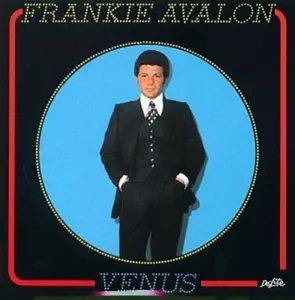
Frankie Avalon Oldies Music Lyrics | Venus vinyl record memories
Frankie Avalon vinyl record memories and his 1959 #1 song details a man's plea to Venus, the Roman goddess of love and beauty, to send him a girl to love and one who would also love him in return.
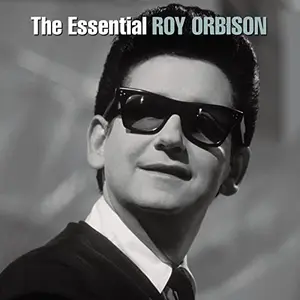
Pretty Woman Oldies Music Lyrics | Roy Orbison vinyl record memories
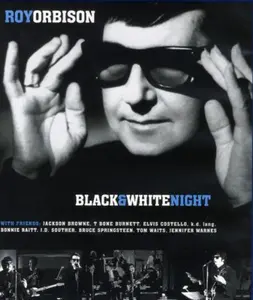
In 1964 Roy Orbison and Bill Dees wrote the Pretty Woman Oldies Music Lyrics. The title, inspired by Orbison's wife Claudette, would end up #1 on the charts and would later be used as the movie theme song in the 1990 Pretty Woman movie and 1988 Black and White Night Special.
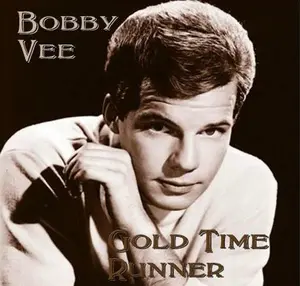
Devil or Angel Oldies Music Lyrics | Bobby Vee Vinyl Record Memories.
Devil or Angel is a vinyl record memories favorite and a remake of the 1956 song by The Clovers. Covered by Bobby Vee in 1960, his version placed this smoothe, romantic ballad at #6 on the charts and made it his own.
Earl Grant Best Love Song | 1958 "The End" Vinyl Record Memories
This Earl Grant best love song, "The End," was a #7 song in 1958. It is sad that 60 years later, it still does not appear on any best love song lists currently viewed online. It is another beautiful classic ballad from the fifties you never hear played on the radio.
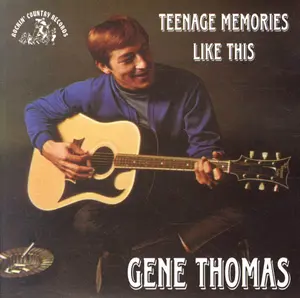
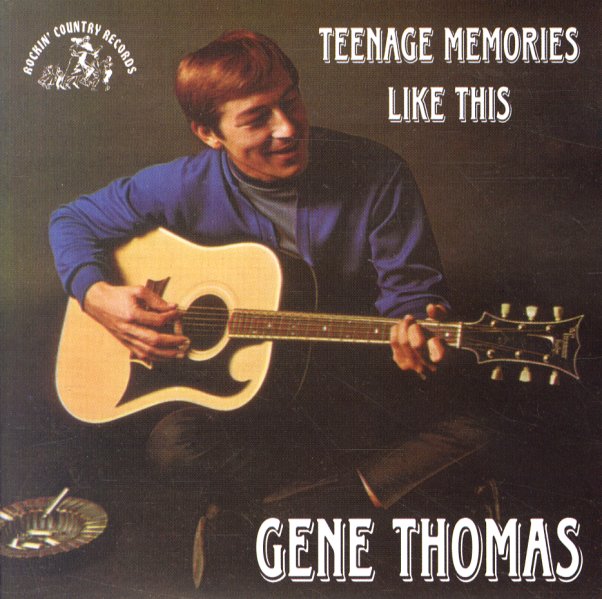
Baby's Gone Vinyl Record Memories | Teenage Memories Like This.
Gene Thomas Baby's Gone, captures the essence of lost love and heartbreak. With its soulful melodies and heartfelt lyrics, "Baby's Gone" takes listeners on an emotional journey through the ups and downs of a failed relationship.
Only The Lonely Vinyl Memories | Roy Orbison Classic Oldies
Only The Lonely Vinyl Memories screamed hit from its first few bars. The Anita Kerr Singers, gently croon those vinyl record memories, "dum dum dum, dum-be-doo-wah" and other such syllables to an instantly memorable bittersweet melody, ending by singing the title phrase.
What Did I Promise Her Last Night | Mel Tillis Vinyl Memories
"What Did I Promise Her Last Night" is a true-to-life storyline surrounding any typical middle-aged married man who may have regretted his one-night stand with a woman he had just met.


Golden Oldies - Follow These Links For A Fun Trip Down Memory Lane.
Fifties Doo-Wop page - More Links To Your Classic Street Corner Symphonies.
Check Out Our Favorite Remakes Of Original Songs.
How About those Cars of Dreams We Grew Up With.
Vinyl Record Memories Newsletter...

A Bit of Nostalgia in your inbox each month.
Best Sellers in Turntables.

Updated hourly, containing Amazon's Top 100 most popular Audio & Video Turntables.
Flooded With Memories...
Danny, I could not believe the content of your website. It is just amazing to recall so much we lived through just by checking out so many old posters & album covers.
Your site floods me with memories & reinforces my belief that it truly was a great time to be a teenager. Good work, Danny, please stick with it.
Sincerely Dale
dalekleeart.com
Just The Way You Are

This song started it all for Billy Joel as he noted... "I dreamt the melody, not the words. It took me maybe two or three hours to write the lyrics. We almost didn't put it on an album. We were sitting around listening to it going... naaah, that's a chick song." Learn more...
The End
A True 50's Classic

A truly beautiful song with words that reflect the long lasting meaning of love. One of those songs you simply cannot hear enough. Enjoy this timeless classic love song.
Baby's Gone
Didn't say goodbye, didn't tell me why, just left me here to cry, with nothing but a memory.
Read the true story behind this treasured memory.
